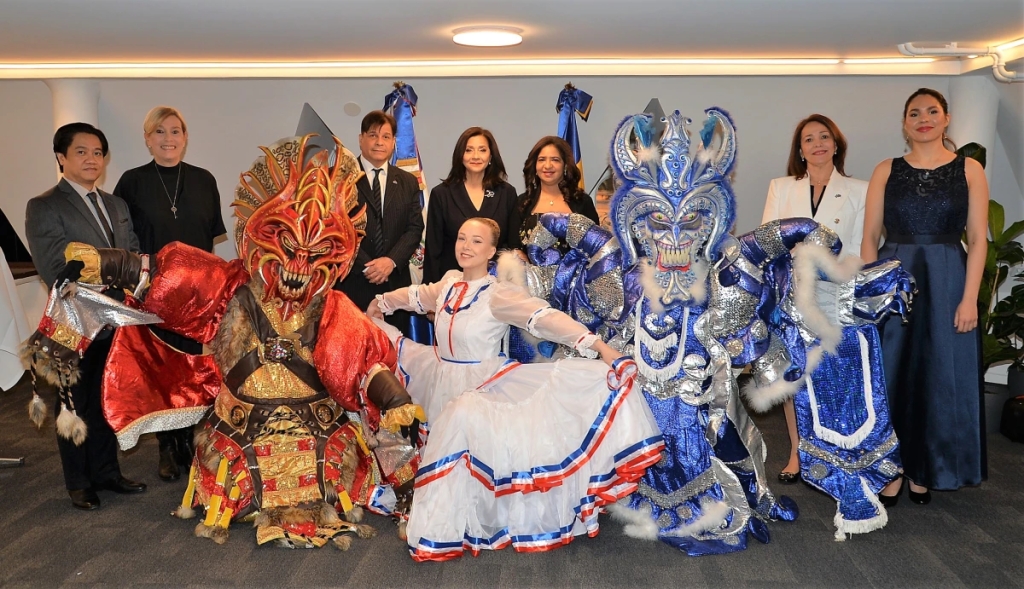
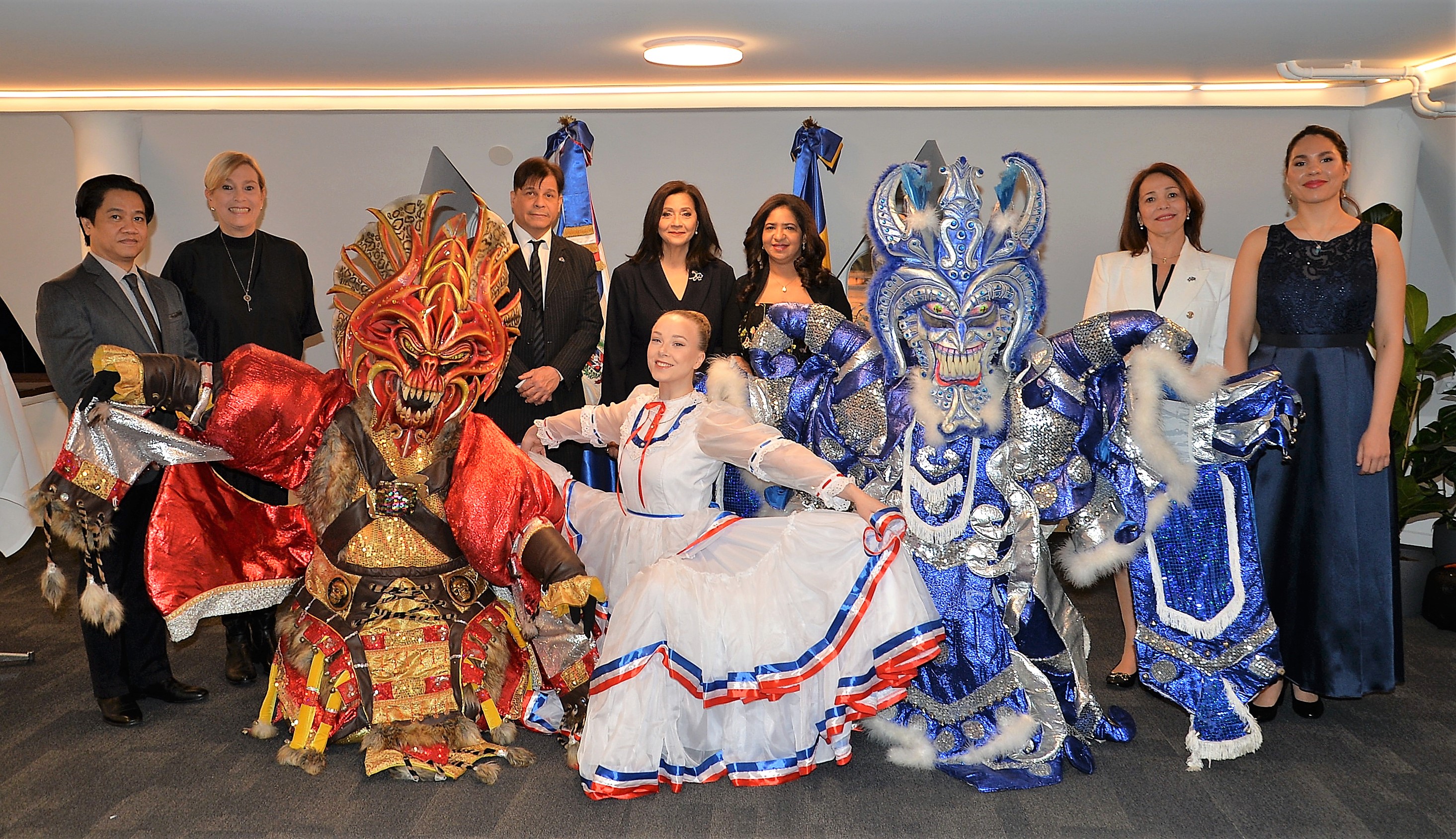
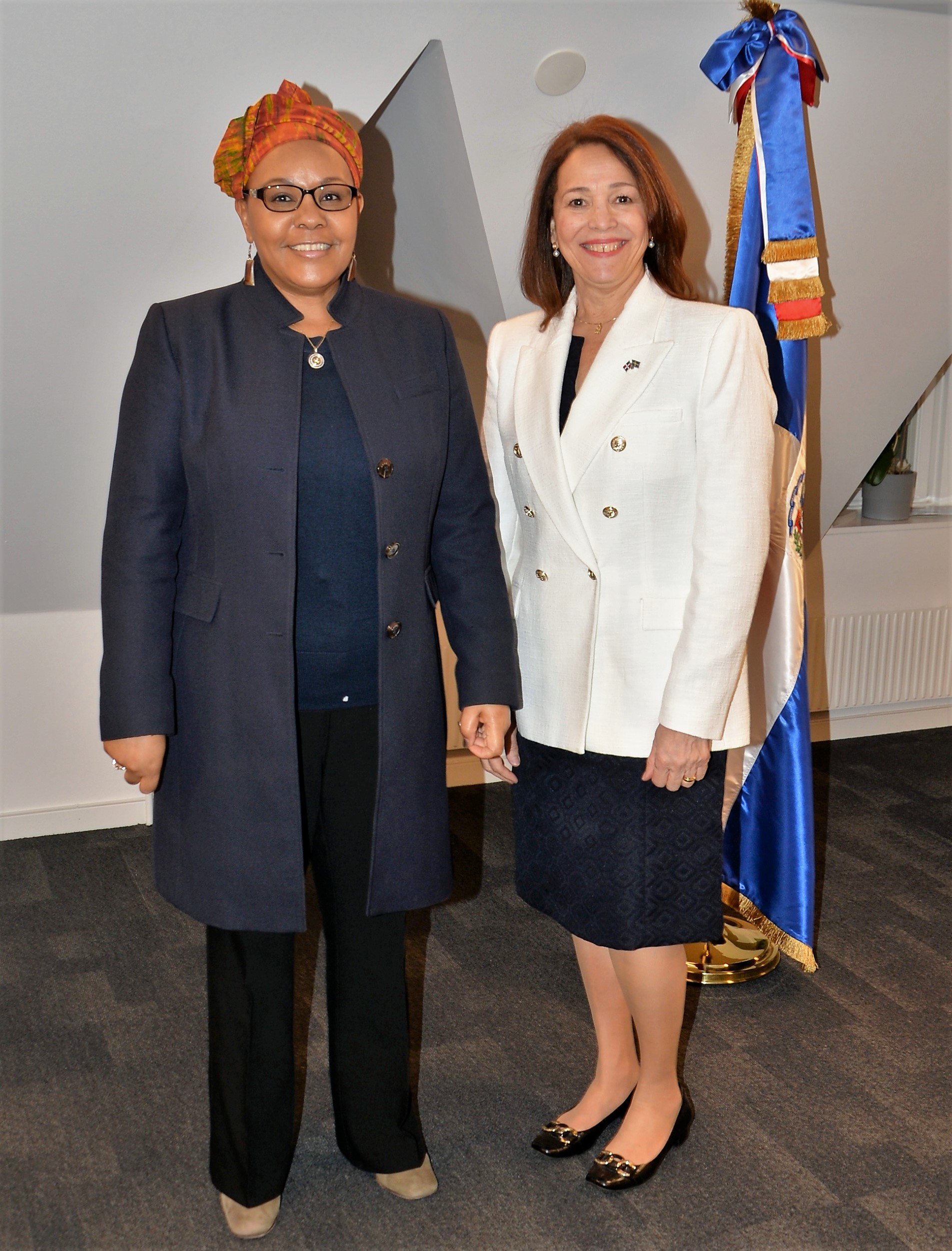
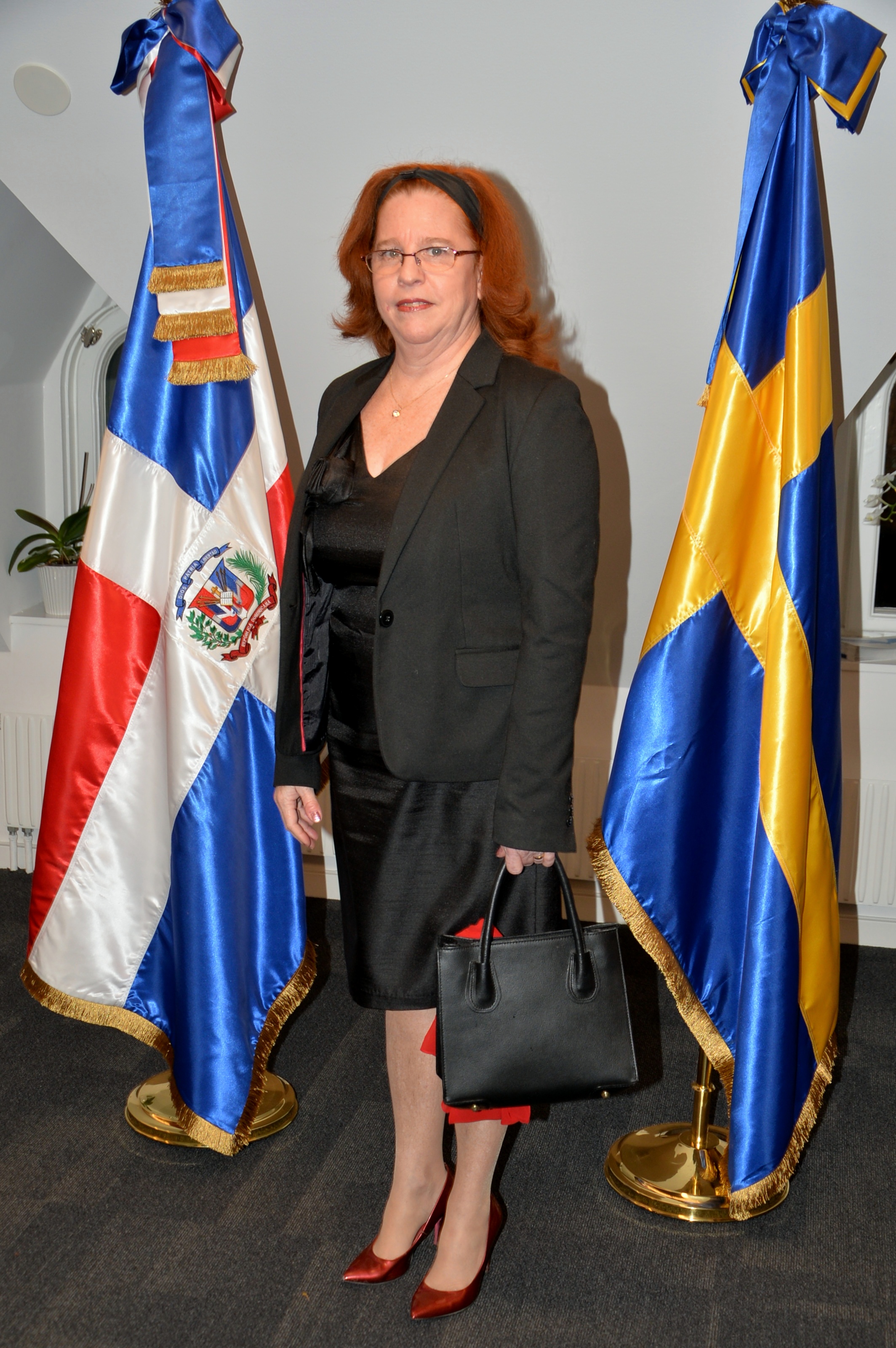
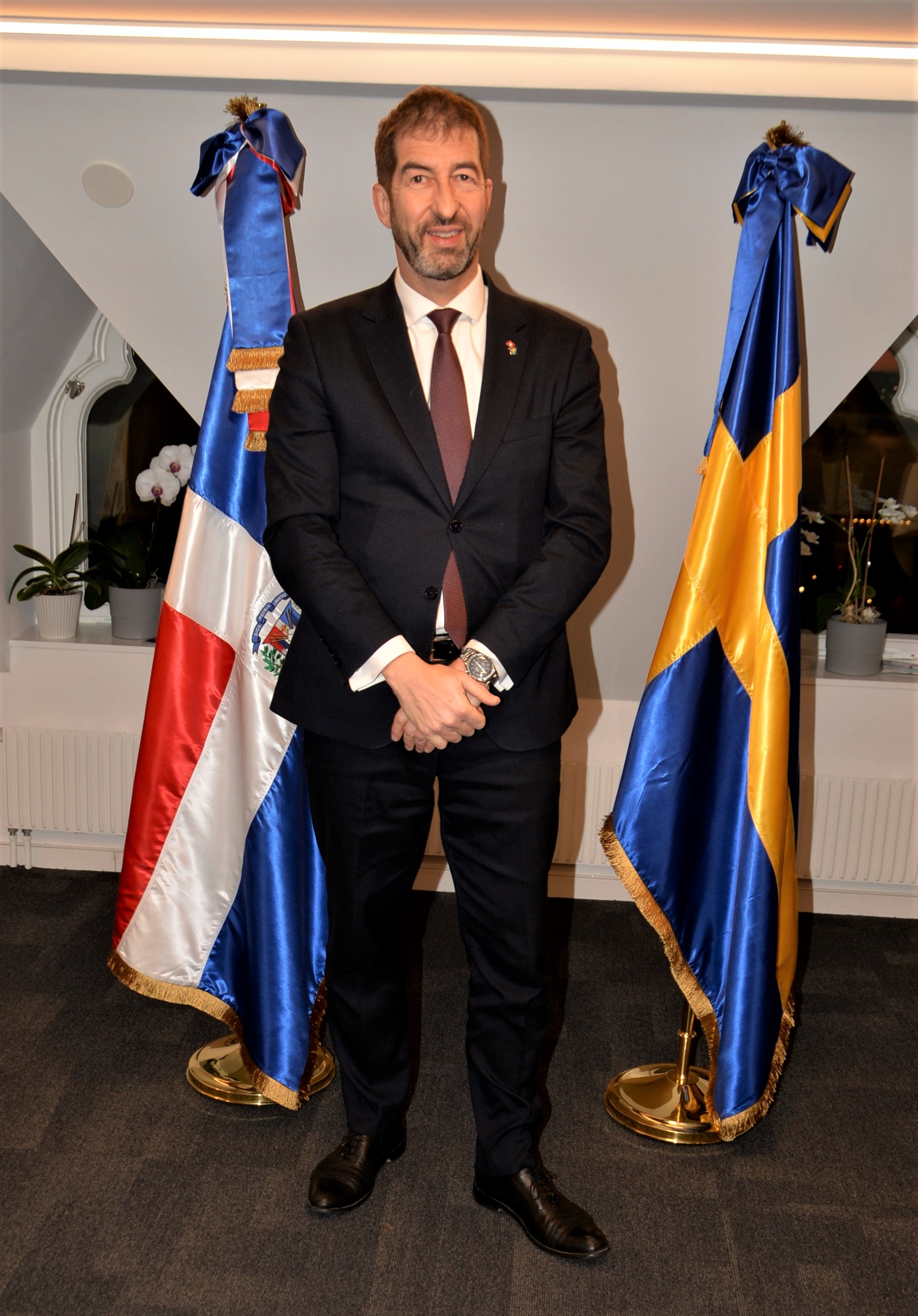
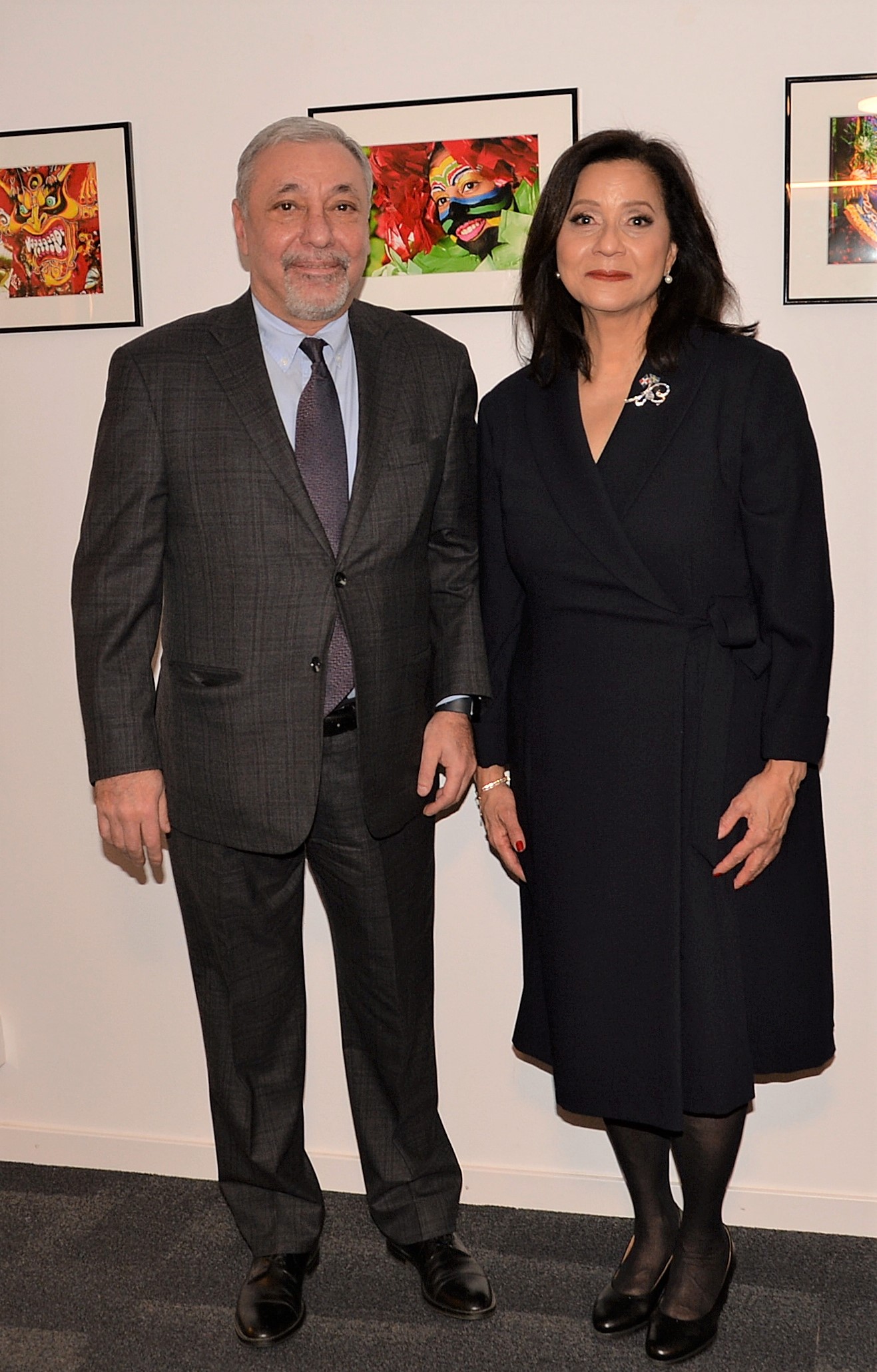
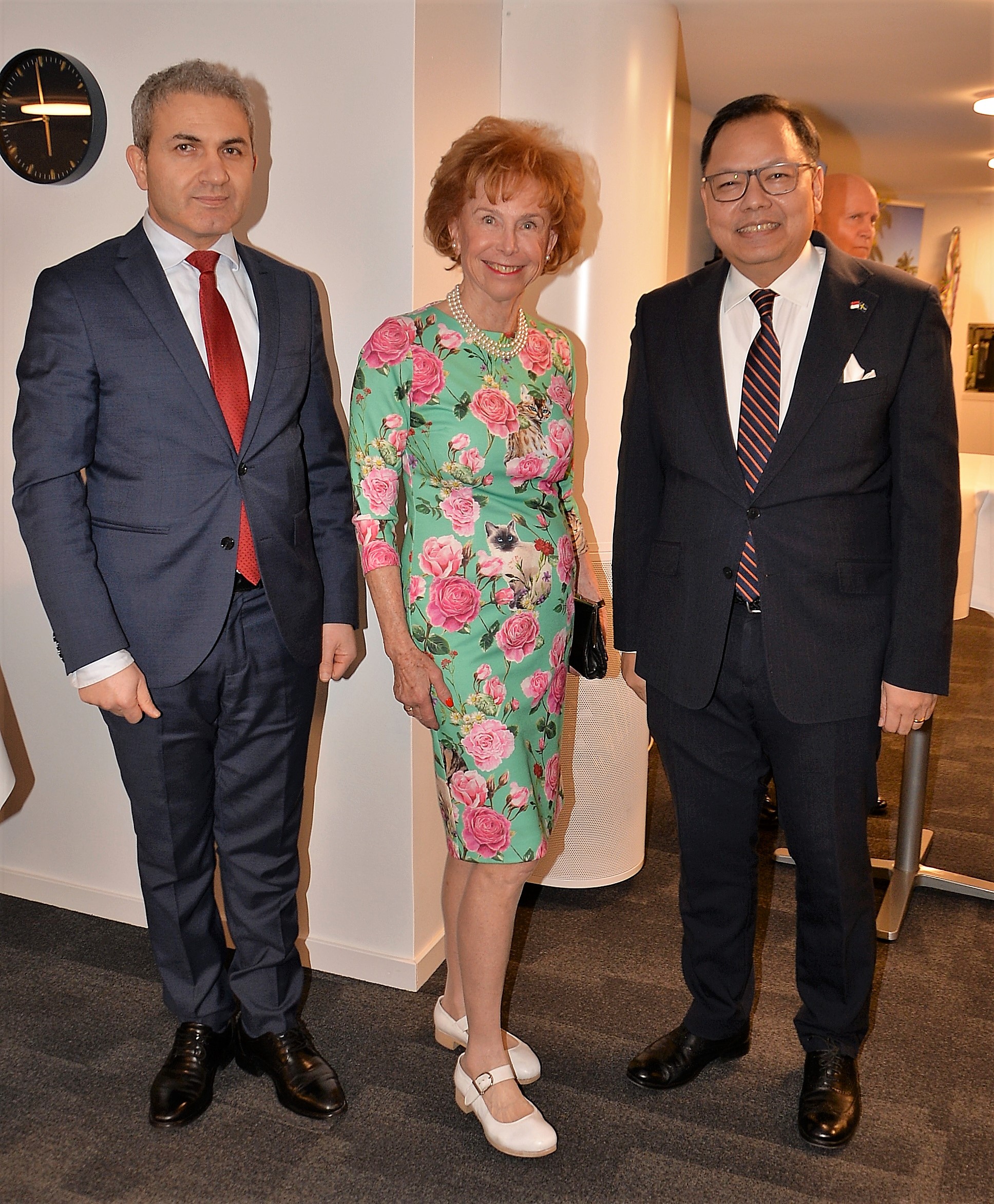
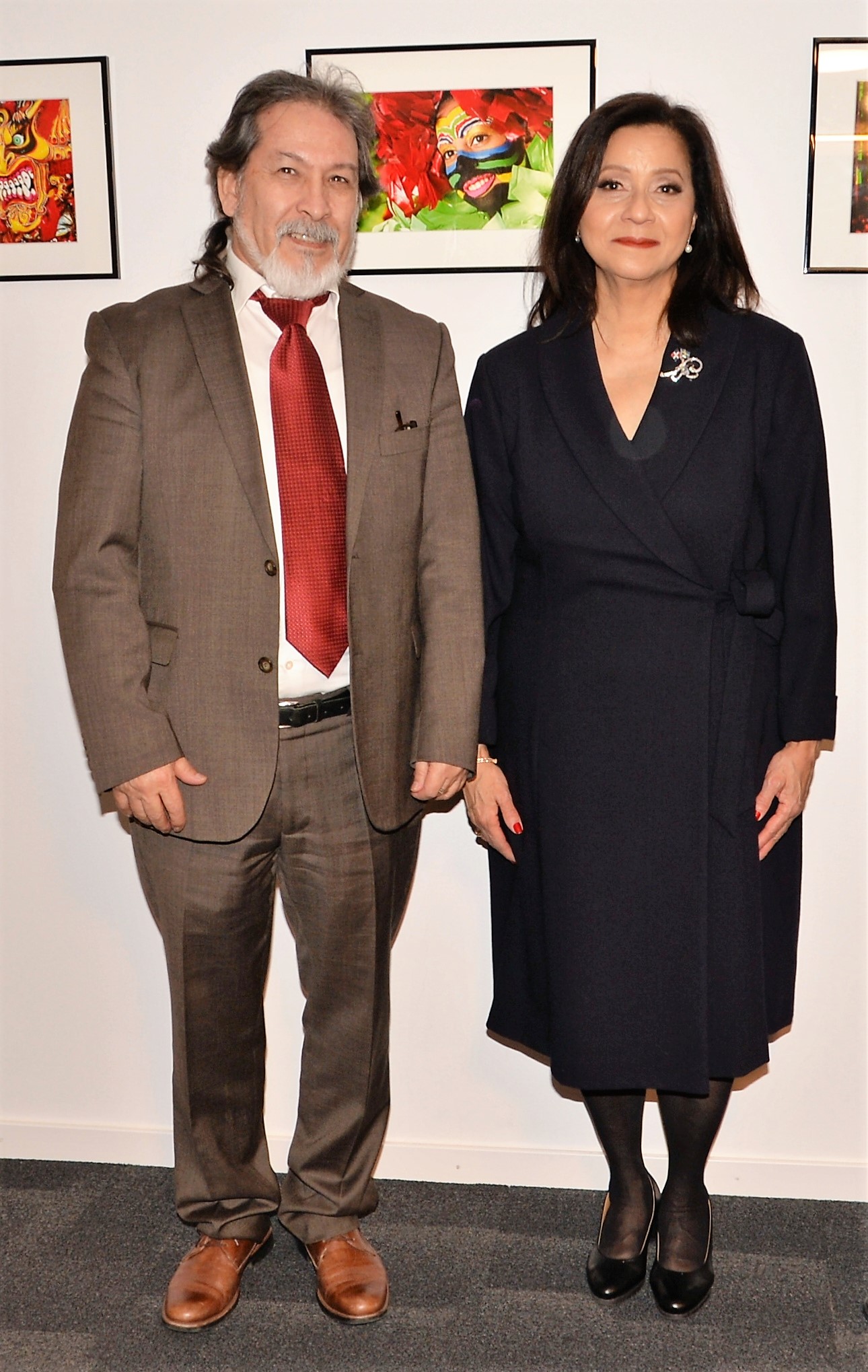
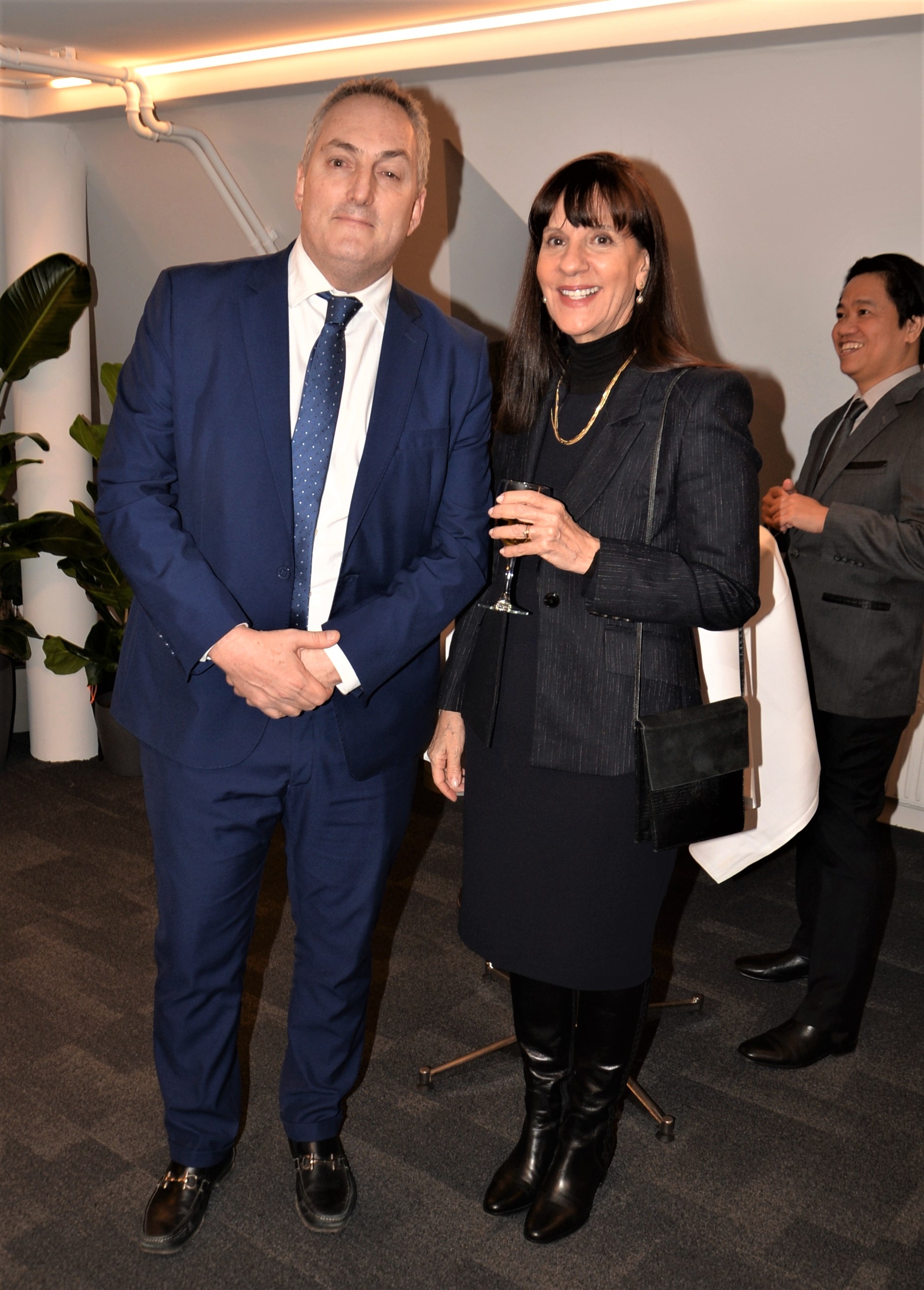
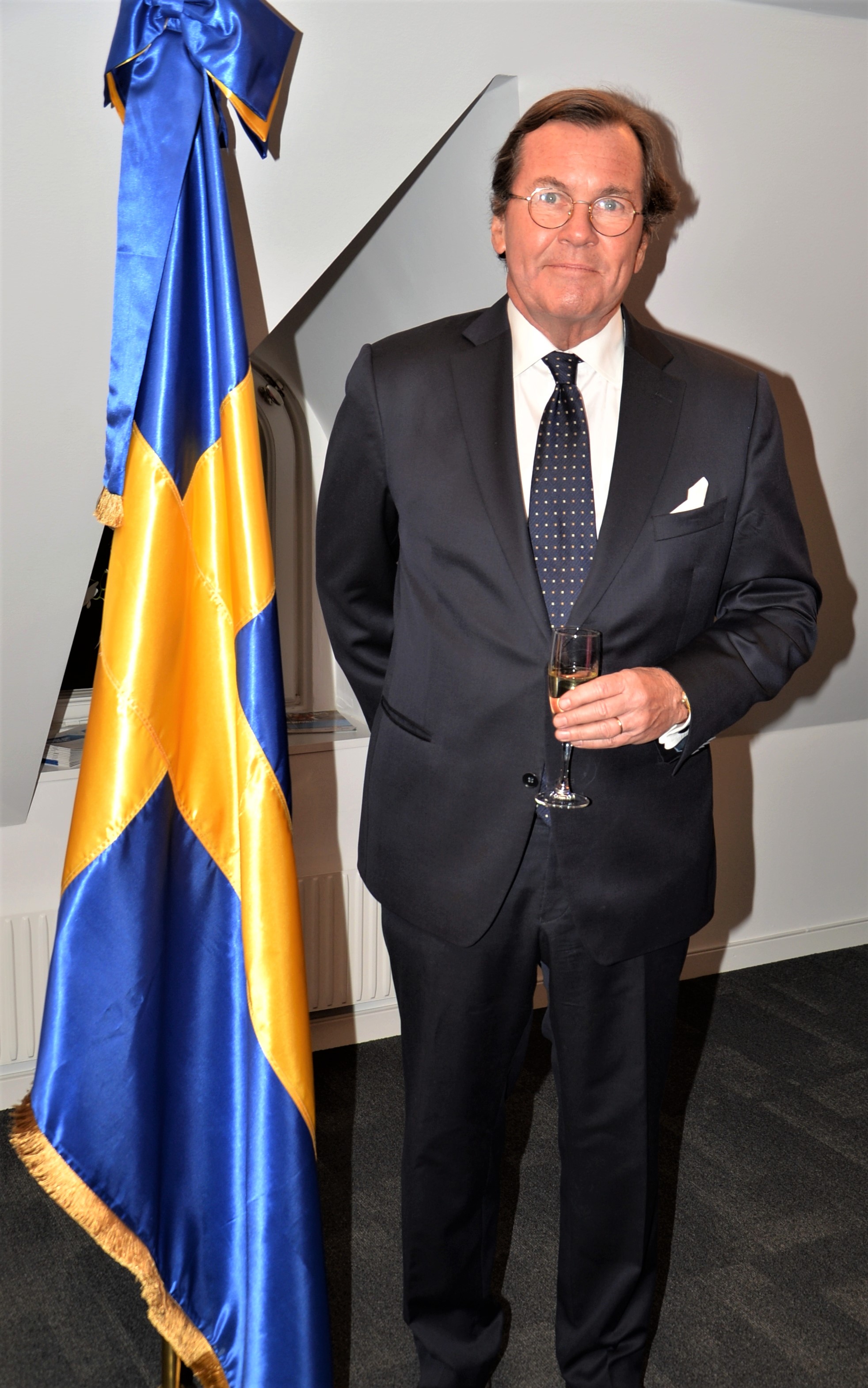
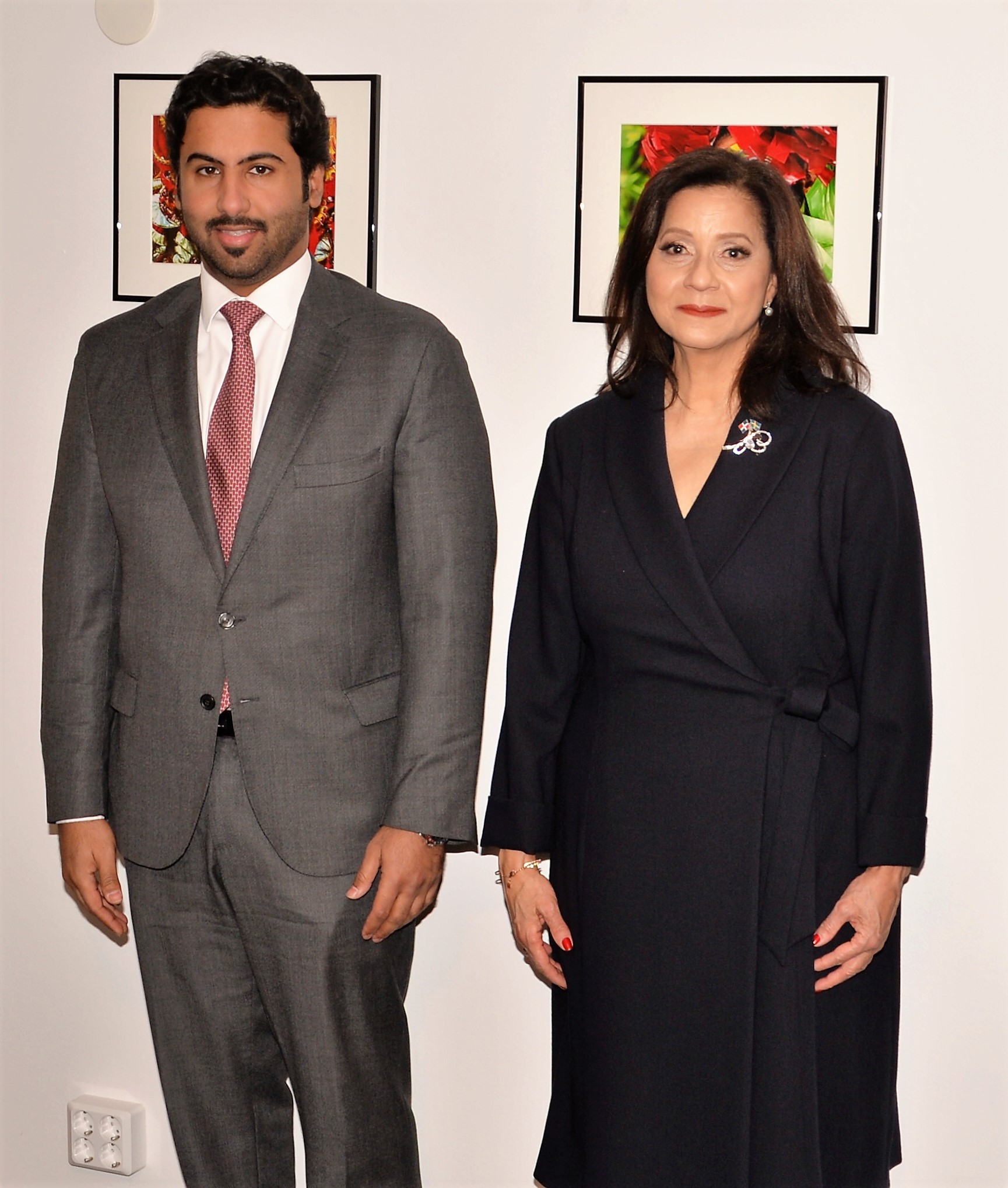
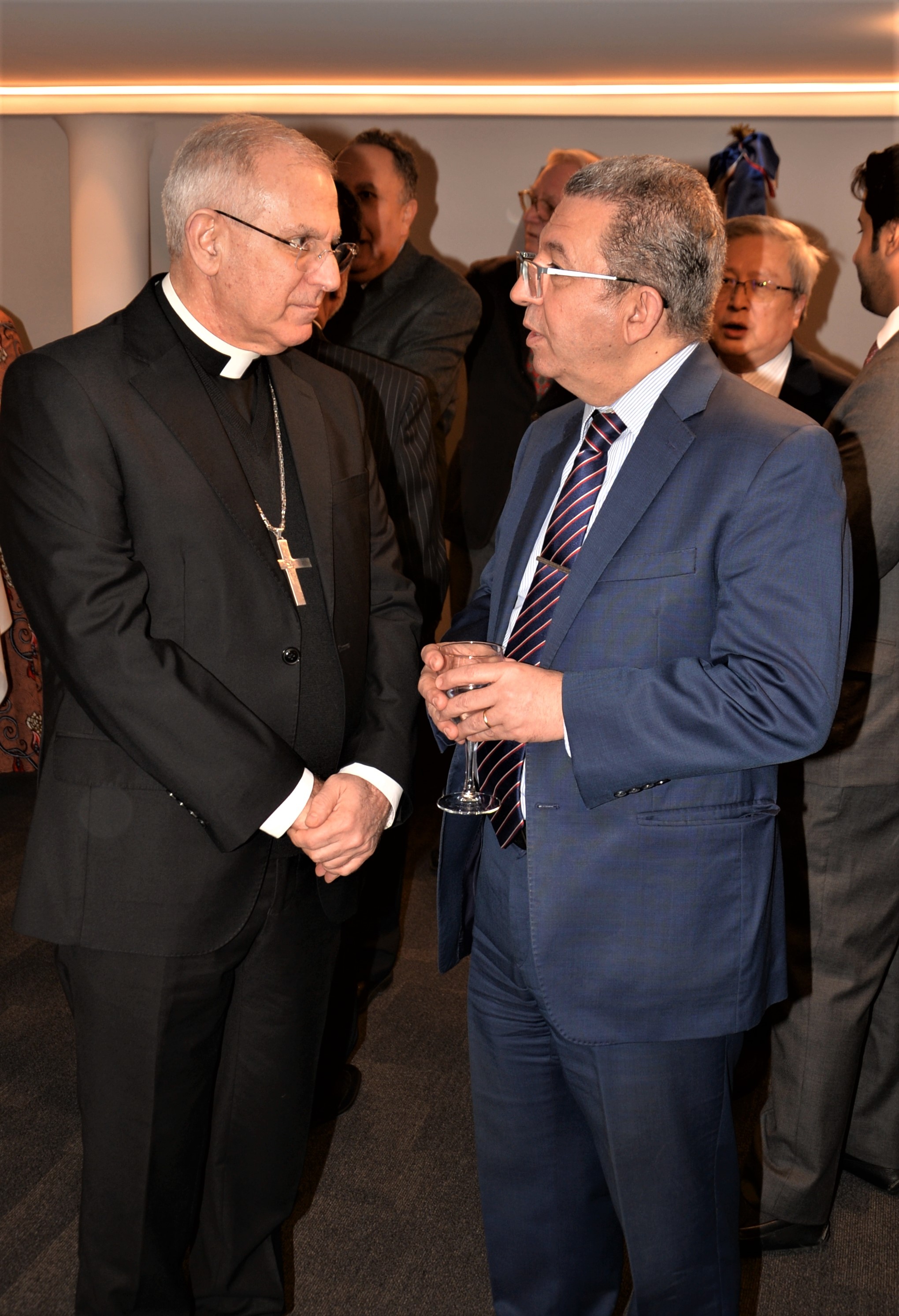
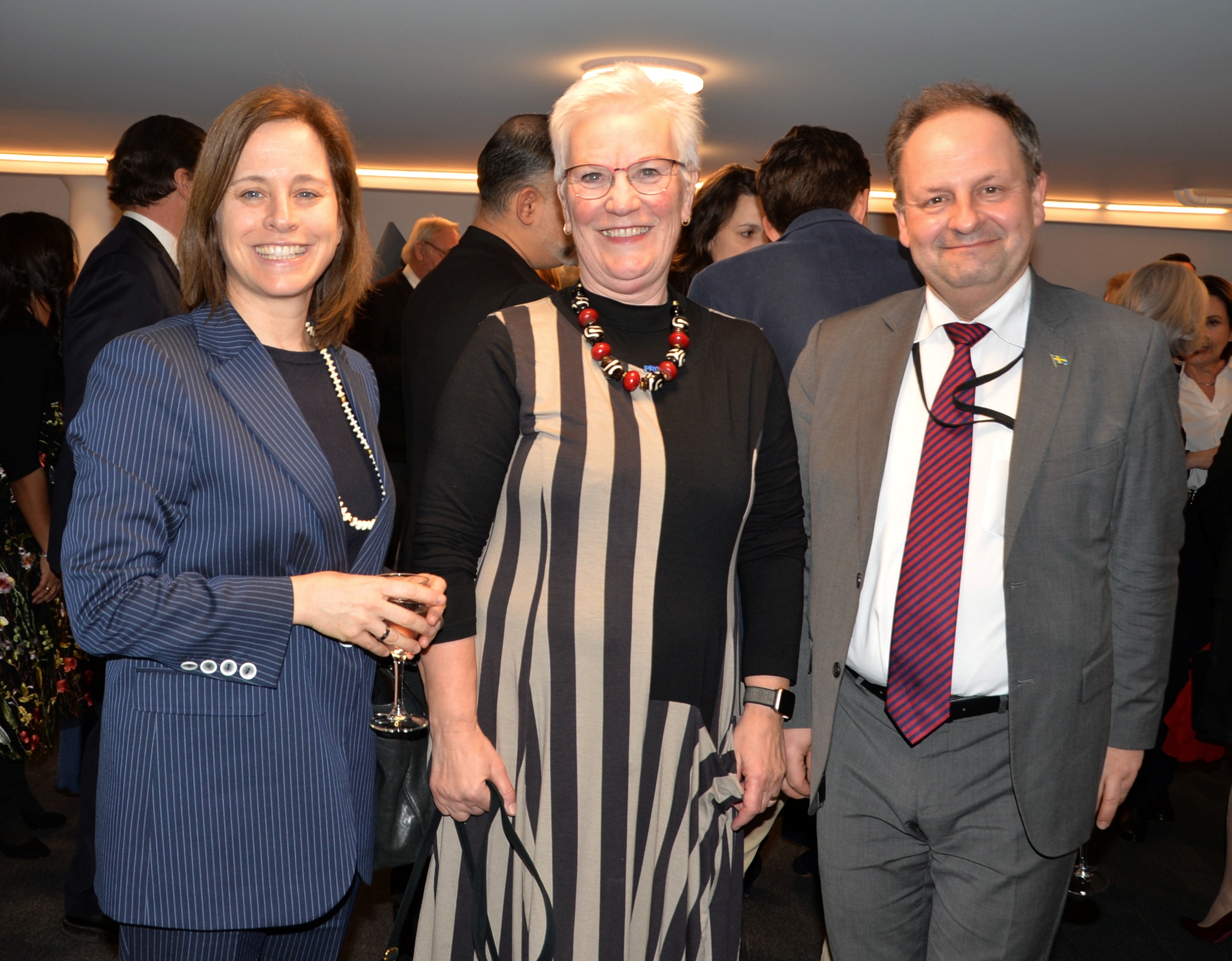
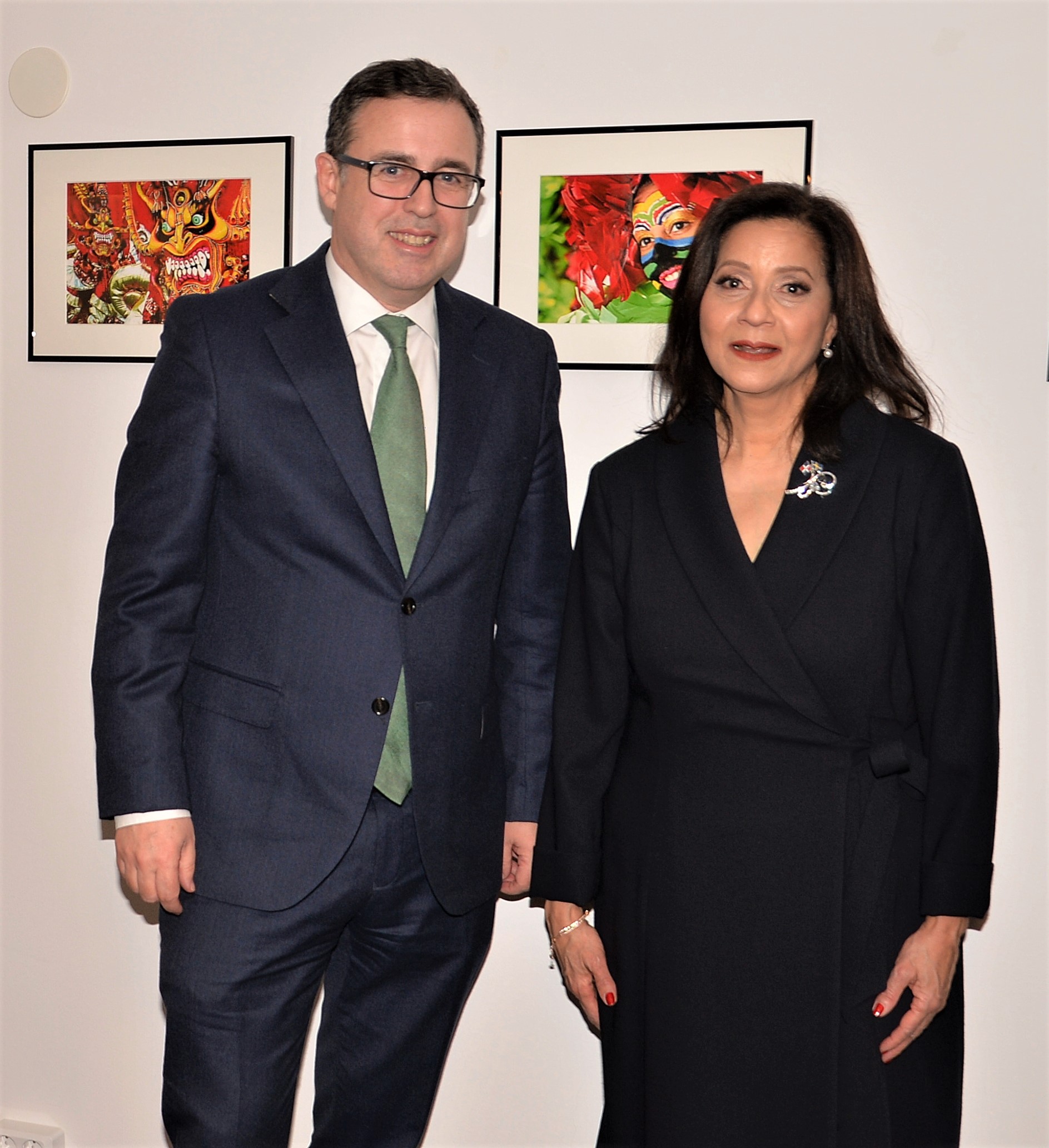
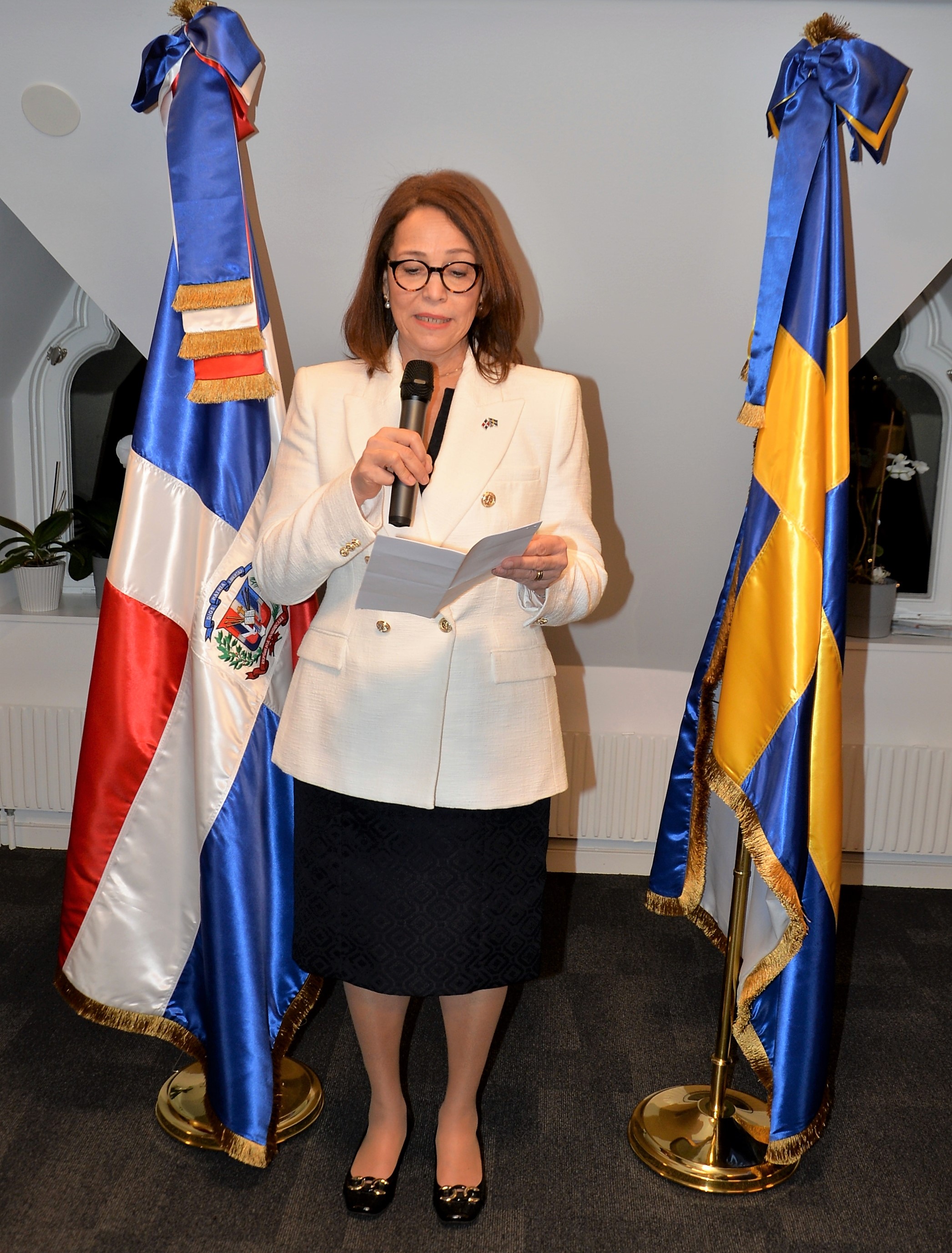
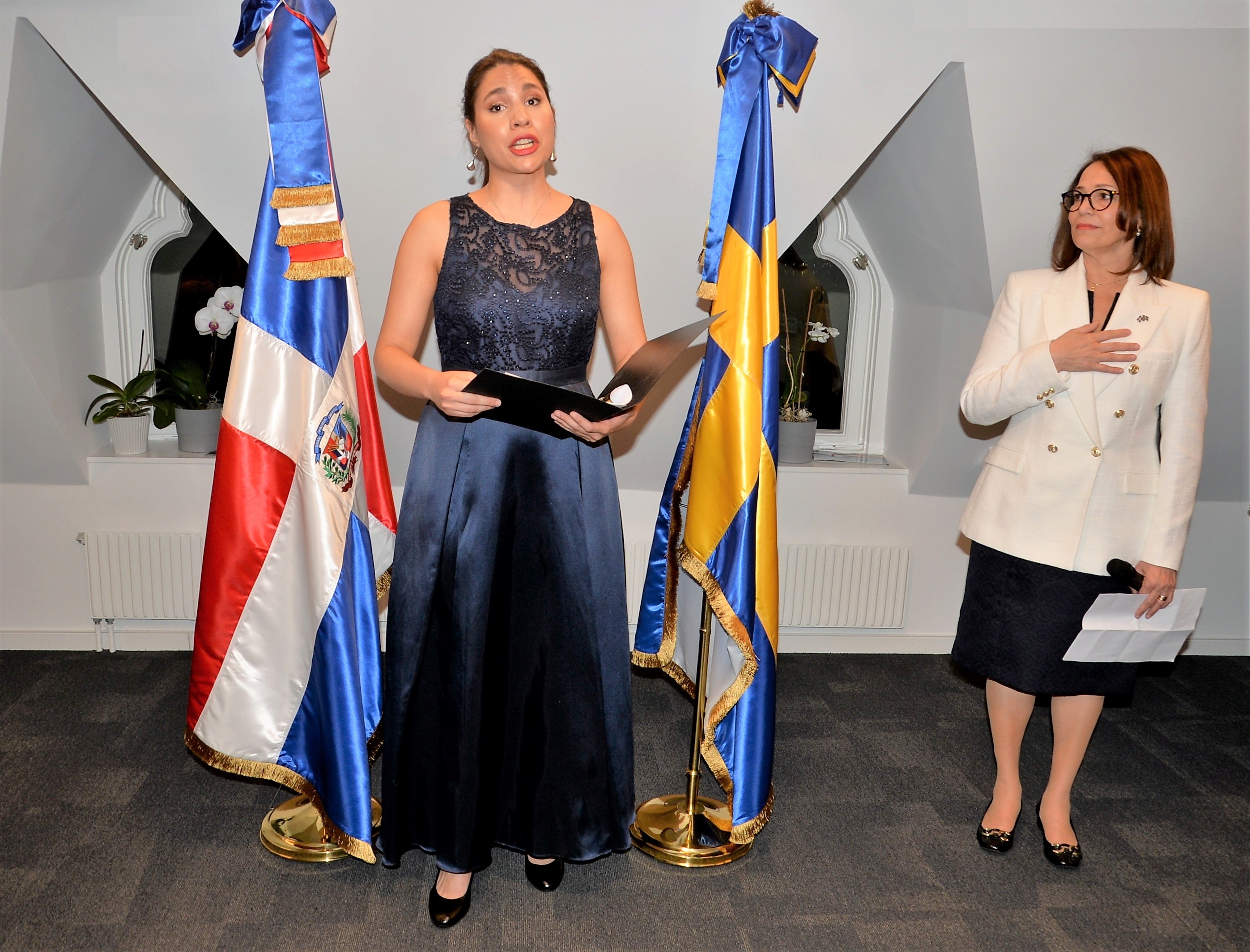
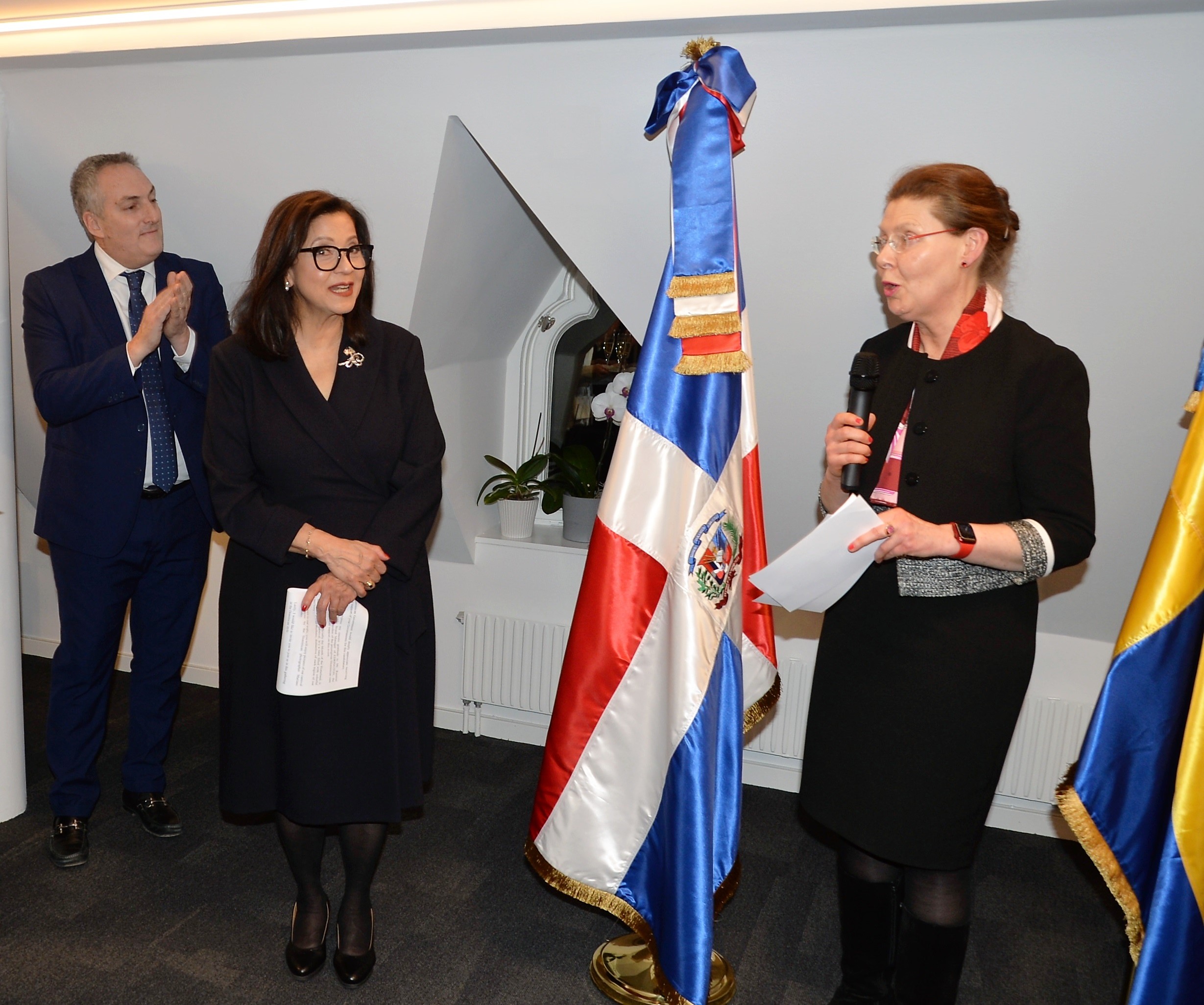
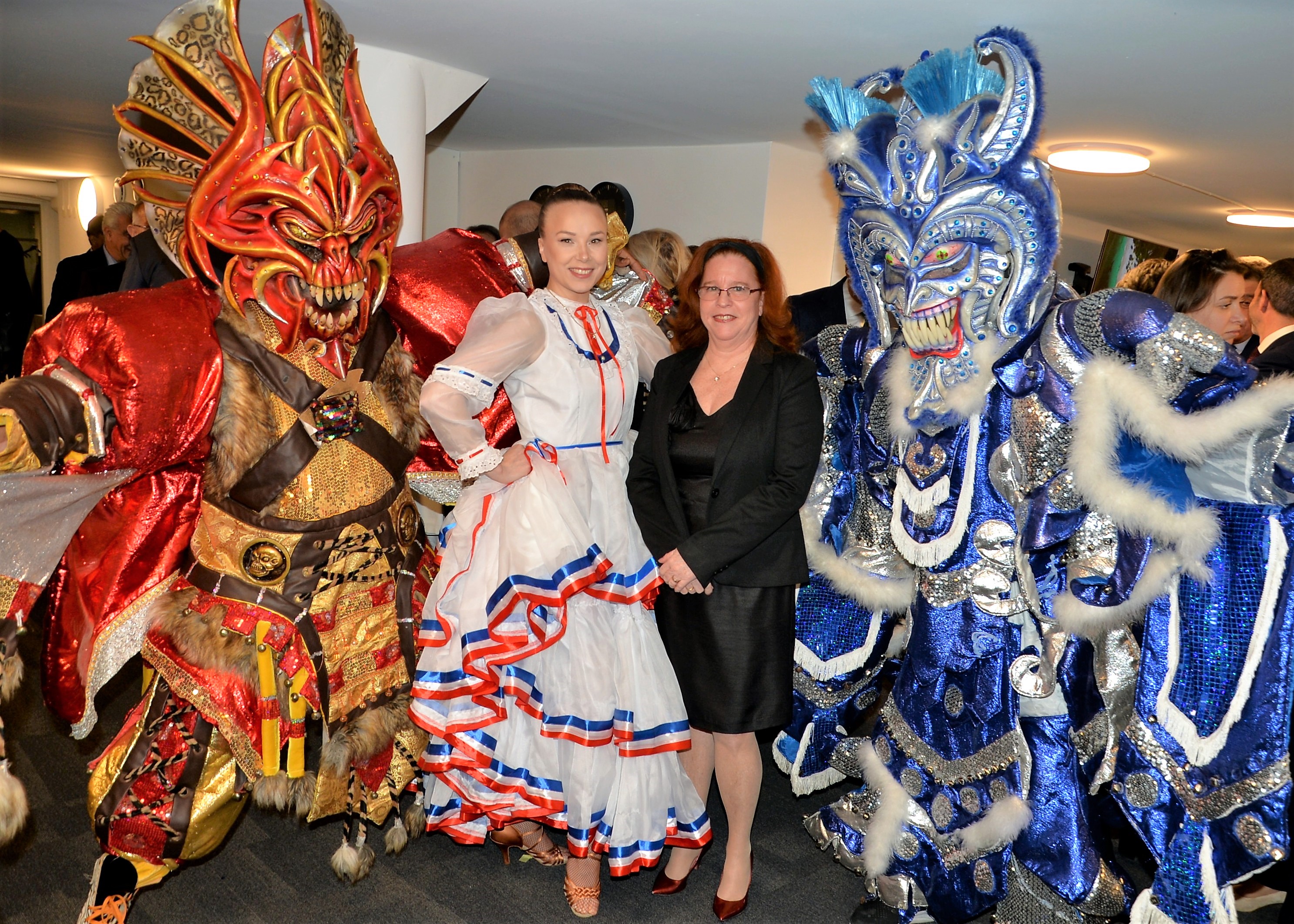
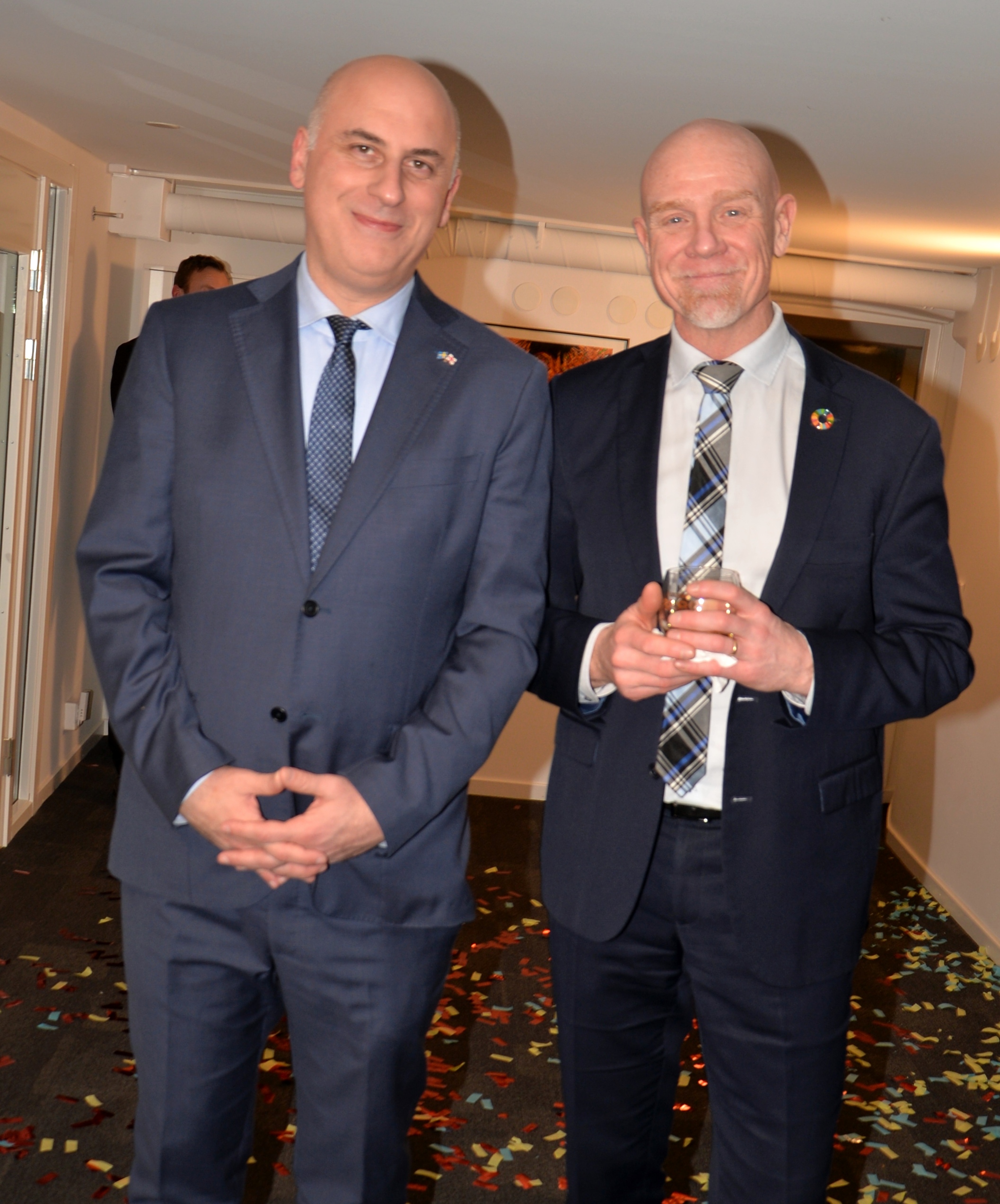
Reception on the occasion of the 179th Anniversary of the National Independence of the Dominican Republic, was held on 27th February at the Embassy of the Dominican Republic in Stockholm, Sweden.
Dominican Republic Independence Day is celebrated every year on February 27. The first celebration was observed in 1844 and it has been almost two centuries since. The Dominican Republic was under Haitian rule for 22 years before the independence war finally set them free. After they gained autonomy, the island of Hispaniola was divided into Haiti and Dominican Republic. Today, the Dominican Republic is the most visited destination in the Caribbean which has the largest economy in the region. The country’s citizens are mainly of mixed African and European descent.
HISTORY OF DOMINICAN REPUBLIC INDEPENDENCE DAY
In the early 1800s, the colony of Santo Domingo, now the capital of the Dominican Republic, was then the headquarters of Spanish power, albeit in its worst decline. With Spain engaged in the Peninsular War and other wars, the country’s resources were spread around the world, neglecting Santo Domingo. During this period, the España Boba era, the population of the Spanish colony was about 80,000. Yet, the Spanish crown had little to no influence in the colony.
Wealthy cattle ranchers took it upon themselves to become leaders to take control and bring order to the colony, where the ‘law of machete’ ruled the land. José Núñez de Cáceres, the captain of the colony along with the criollo class of the country, finally decided to overthrow the Spanish government to declare independence from their rule, after he was influenced by the revolutions around him, on November 9 in 1821. But that was not when they gained independence, since the nation was united with Haiti in the following year.
The entire island of Hispaniola, comprising Haiti and Santo Domingo, was under the government of Haiti for 22 years. Haiti was more powerful in every way, with a population nearly ten times larger than the former Spanish colony of Santo Domingo. Haiti was the wealthiest colony in the western hemisphere before the Haitian Revolution. It is why Dominican military officers agreed to merge the newly independent nation with Haiti. It would bring political stability and protection to Haiti’s power and wealth. After 22 years of disputes and crises, the Dominican people had to overthrow the Haitian government, finally gaining independence in 1844.






























 Diplomatic World Sweden
Lämna en kommentar